Health · Godfred Anku Kaali
Youth leaders urged to promote adolescent reproductive health in their communities
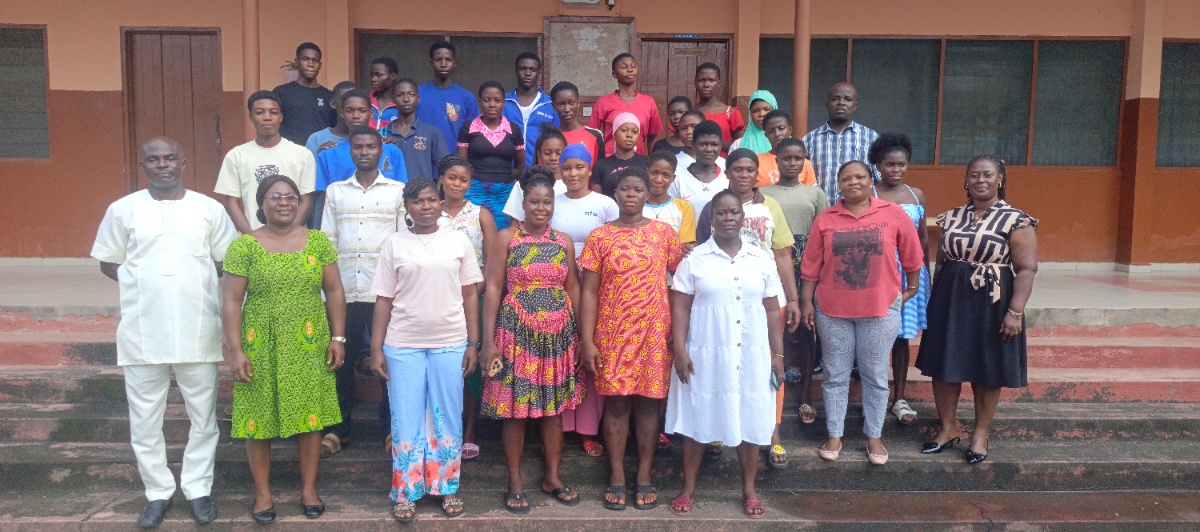
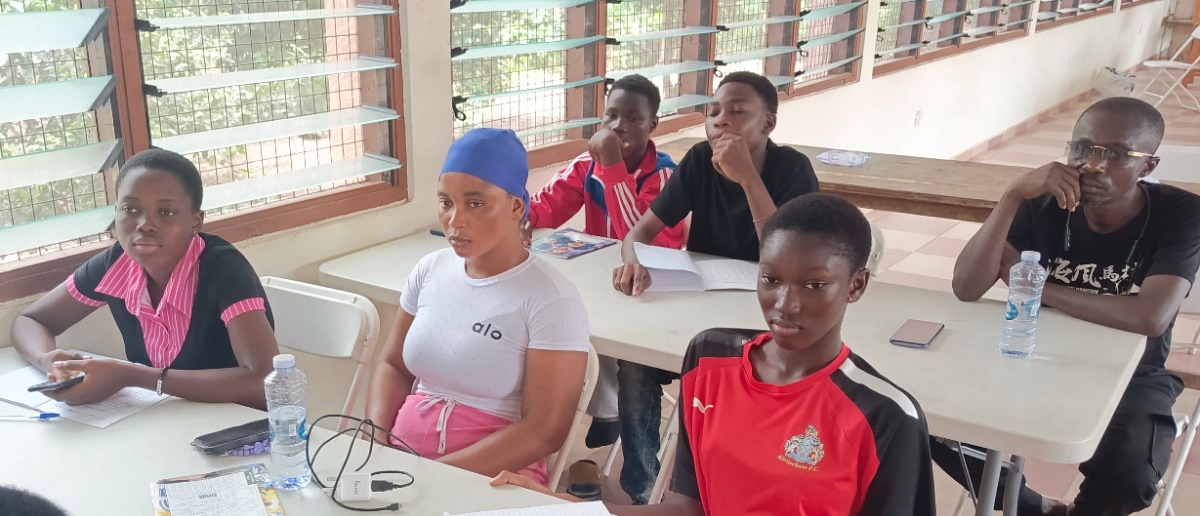
Thirty-five youth leaders from the Upper Manya Krobo District of the Eastern Region have been equipped with knowledge and skills to promote sexual and reproductive health education among young people in their communities.
The two-day training, organised by the Eastern Regional Office of the Complementary Education Agency (CEA) in Koforidua, aimed to strengthen participants’ ability to provide accurate reproductive health information and help their peers make informed decisions.
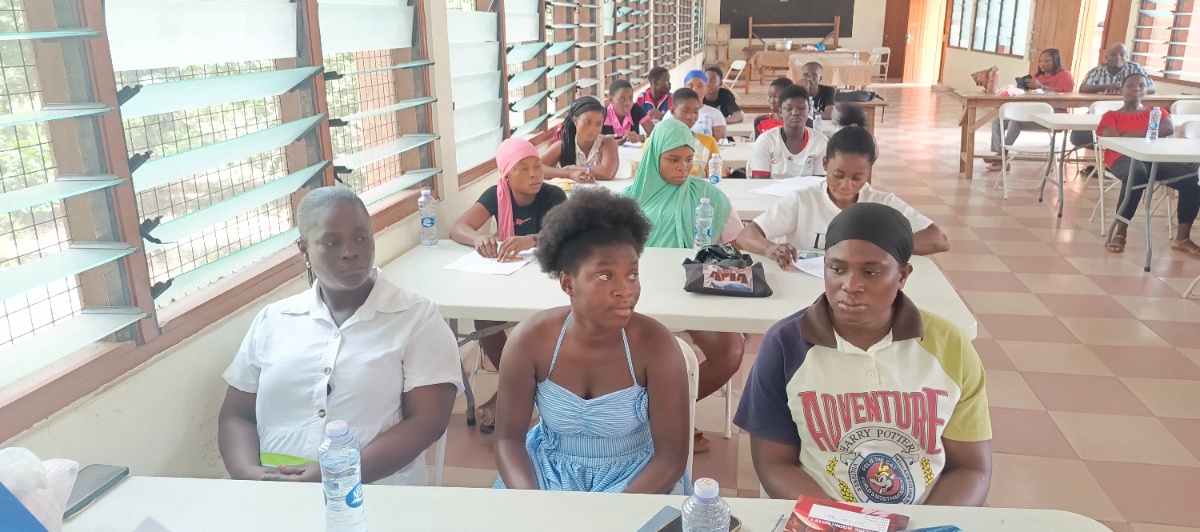
Topics covered included human growth and development, personal hygiene, menstruation, pregnancy, contraception, family planning, sexually transmitted infections, abortion, and sexual and gender-based violence.
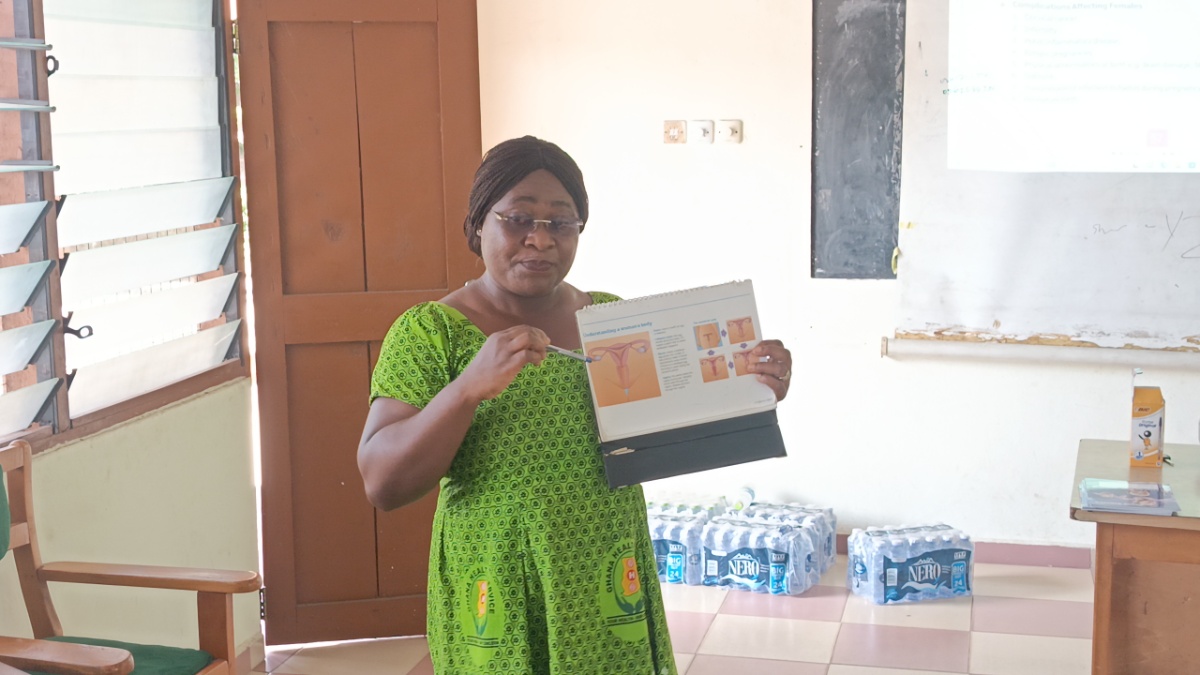
Speaking to GBC News, a facilitator at the training and Midwifery Officer at the Sekesua Health Centre, Helen Dzameshie, called for the programme to be expanded to cover more districts in the region.
She said reproductive health education is essential in addressing teenage pregnancy and helping young people understand their bodies and rights.
“Looking at the country, Ghana, we are seeing that we are having a lot of issues with teenage pregnancy. So this education is very, very important,” she said.
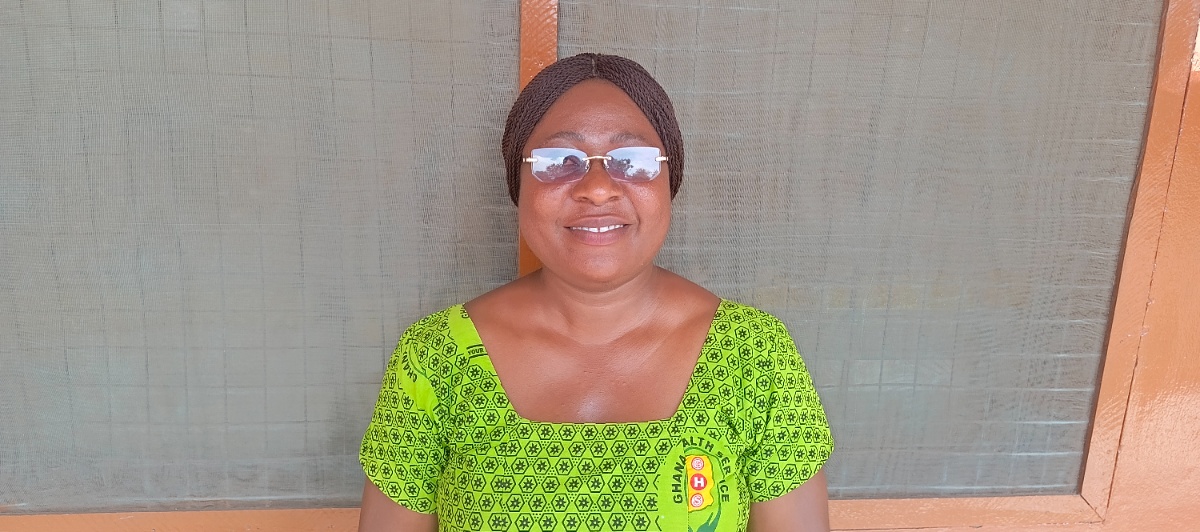
Mrs. Dzameshie also identified child marriage as a major challenge, warning that early marriage and pregnancy could prevent girls from achieving their aspirations and expose them and their babies to health complications.
These complications, she explained, can include anaemia in mothers, low birth weight and birth asphyxia, a condition in which a baby does not receive enough oxygen around the time of birth.
She urged parents and traditional leaders to help eradicate child marriage and protect young people’s futures.
Mrs. Dzameshie also advised young people to take their education seriously and understand that the changes and desires they experience are a natural part of growing up.
“My advice to them is to take the education seriously and also know that as they are developing, some of these desires are natural,” she said.
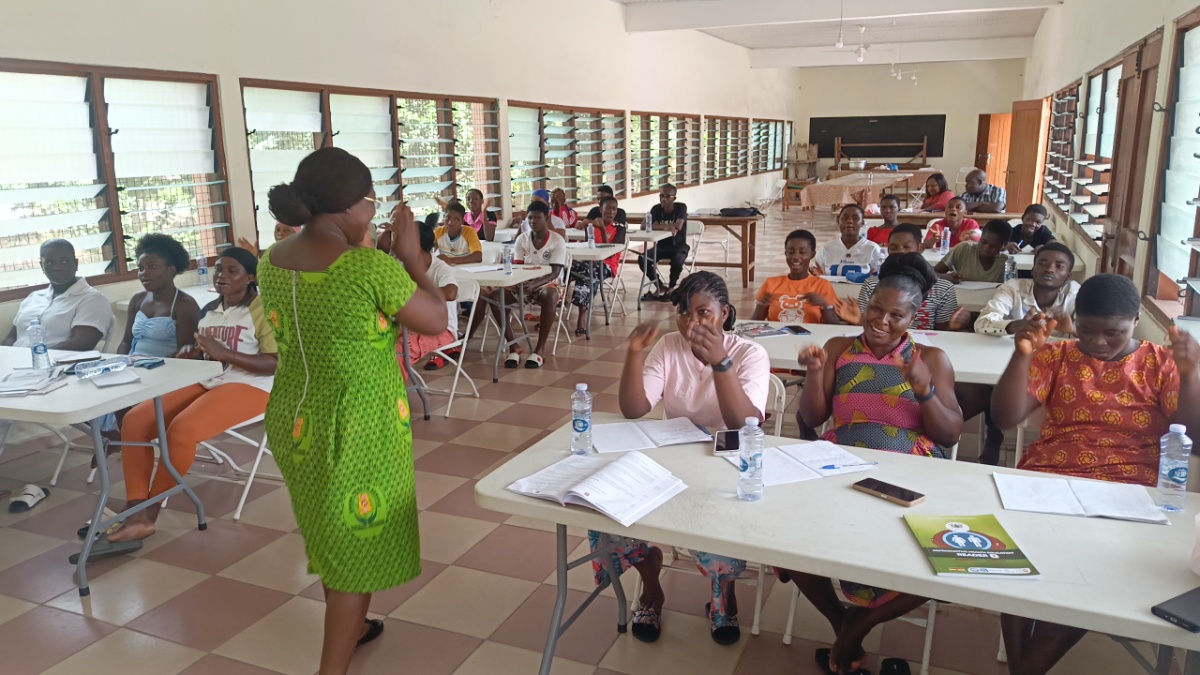
Some participants told GBC News that the training has deepened their understanding of adolescent reproductive health and improved their ability to address questions and misconceptions among their peers.
The youth leaders are expected to apply the knowledge acquired to promote accurate reproductive health information and informed decision-making in their respective communities.