Politics · Godfred Anku Kaali
Macroeconomic gains result of superior economic management, not luck – Finance Minister
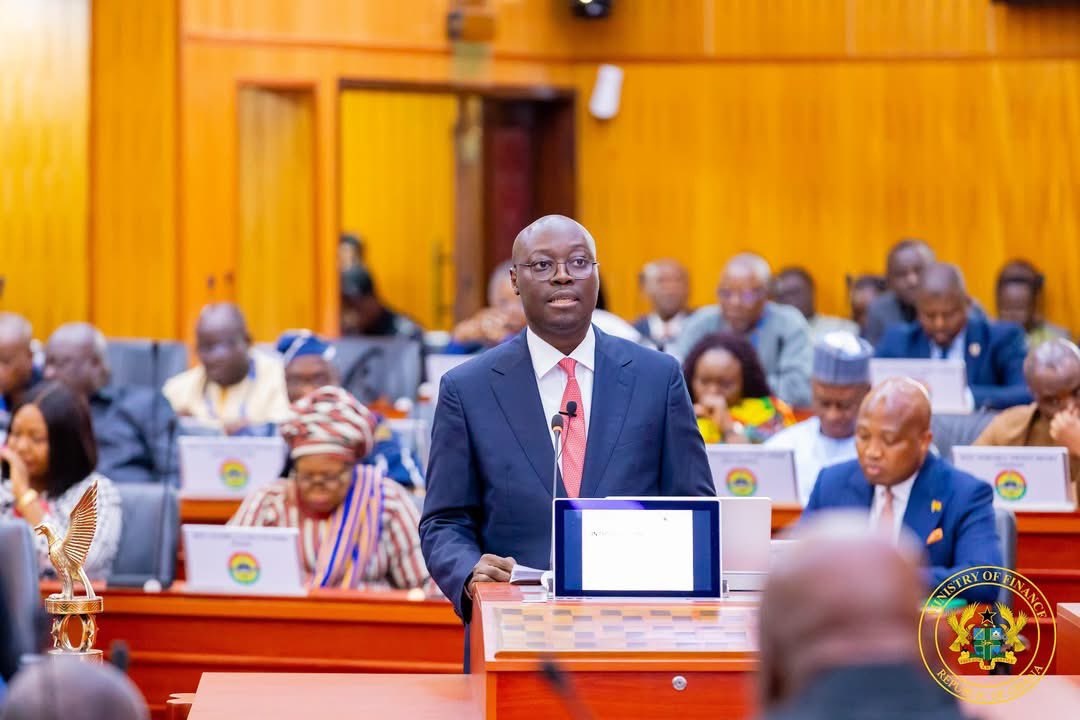
Finance Minister Dr. Cassiel Ato Forson has said Ghana's recent macroeconomic gains are the result of deliberate economic reforms implemented since January 2025, rather than good fortune.
Presenting the 2026 Mid-Year Budget Review in Parliament yesterday, Dr. Forson said the country's economic recovery has been anchored on three key Transformational Policy Reforms, fiscal correction, modernising Ghana's tax regime, and complementary fiscal policy for inflation targeting and exchange rate stability.
On fiscal correction, the Finance Minister said government recalibrated Ghana’s fiscal framework to improve efficiency, accountability and prudent management of public finances. He noted that the Public Procurement Act was amended to require commitment authorisation before procurement commitments are made, linking procurement directly to approved budgets and strengthening expenditure control across government.
Dr. Forson said the modernisation of the tax regime focused on restoring investor confidence, supporting businesses and households, and increasing domestic revenue through improved compliance and efficient tax administration rather than higher tax rates. As part of this reform, government abolished the Electronic Transfer Levy (E-Levy), Betting Tax, COVID-19 Health Recovery Levy, Emissions Levy and VAT on motor insurance.
He added that the complementary fiscal policy for inflation targeting and exchange rate stability included the establishment of the Ghana Gold Board to curb gold smuggling, formalise the gold trade, and ensure the country derives greater benefits from its mineral resources. According to him, the initiative generated an additional US$15 billion in gold export foreign exchange inflows, significantly boosting Ghana’s reserves and supporting exchange rate stability.
According to him, the reforms have strengthened public financial management, restored fiscal credibility, improved revenue mobilisation, reduced fiscal risks and reinforced macroeconomic stability.
Dr. Forson dismissed claims that Ghana's economic recovery can be attributed solely to the debt restructuring programme or to the International Monetary Fund (IMF) programme inherited in 2025.
He observed that while debt restructuring creates fiscal space, it does not guarantee fiscal discipline, and although an IMF programme provides a policy framework, it cannot replace sound economic policies, disciplined implementation and political will.