Health · Richard Boateng Opoku-Ofori
ENT Nurses call for improved Ear hearing care in Ghana
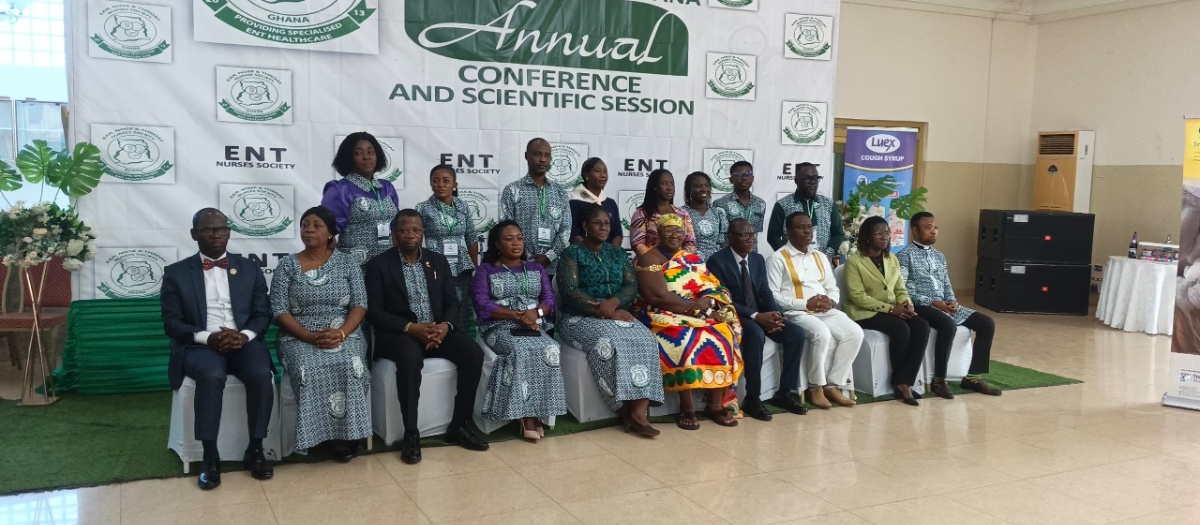
The National Chairperson of the Ear, Nose and Throat, ENT Nurses Society, Esther Osei Birikorang, has called for more specialist nurses, improved healthcare systems and better support for nurses to strengthen ear and hearing care in Ghana.
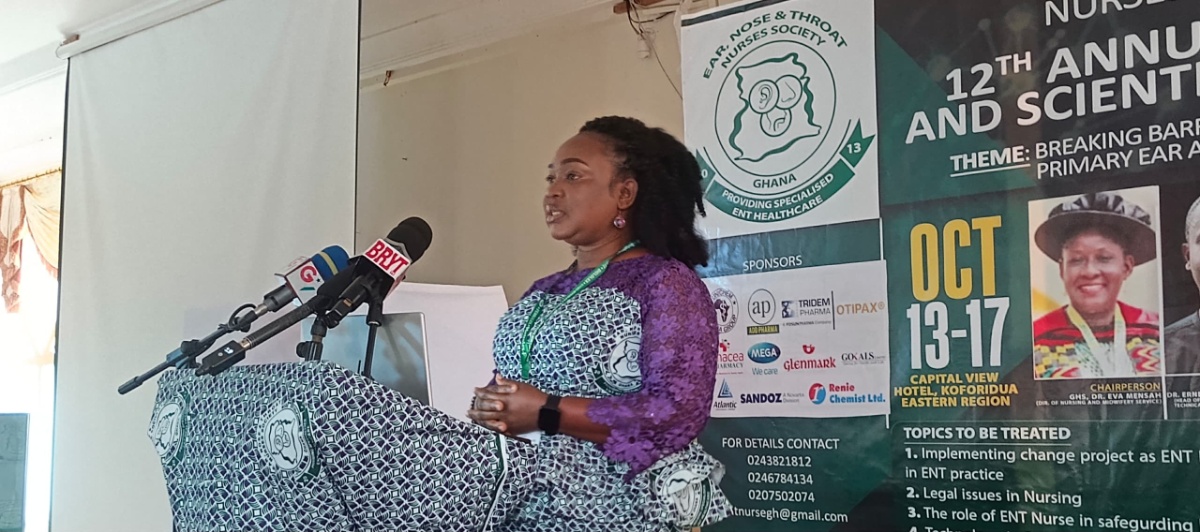
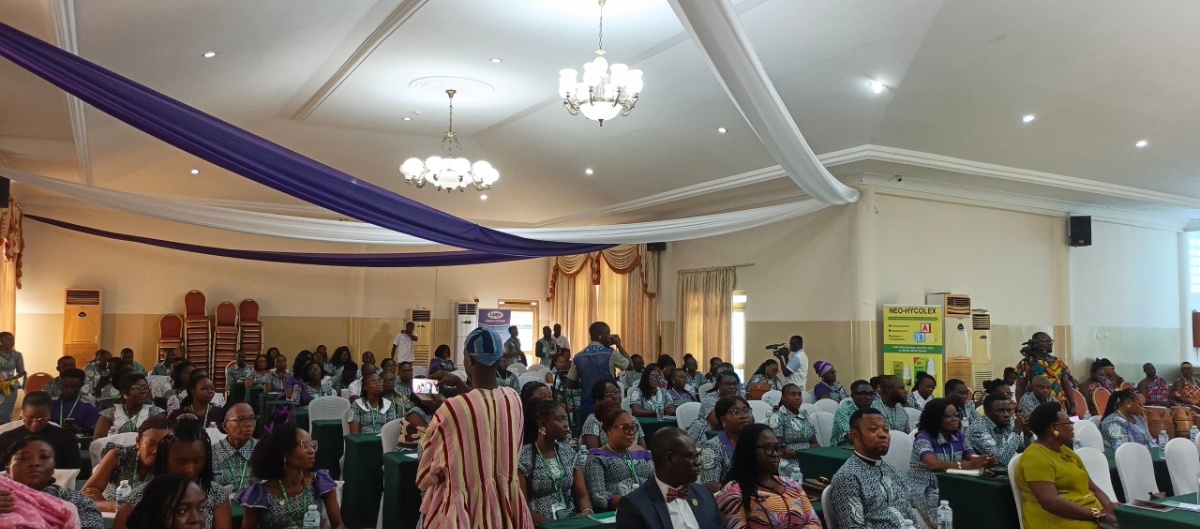
She made the call at the 12th Annual Conference and Scientific Session of the Society in Koforidua in the Eastern Region, held under the theme, “Breaking Barriers, Building Systems, Advancing Primary Ear and Hearing Care for All in Ghana.”
Mrs Birikorang said the Society had made progress in training specialist nurses, with 20 ENT nurses graduating from the Ghana College of Nursing and Midwifery this year.
She said, “This year we have 20 ENT nurses who graduated from Ghana College of Nursing and Midwifery. And we are proud of them.”
Despite the progress, she expressed concern about the shortage of ENT nurses in health facilities, the lack of standardised electronic health records and difficulties in obtaining accreditation to establish private clinics.
"Many facilities relied on nurses without specialised ENT training to provide ear, nose and throat care, a situation we can affect efforts to improve services," she revealed.
She also called for on-call allowances for ENT nurses who attend to patients beyond normal working hours, sometimes using their own resources.
She appealed for the concerns to be addressed, particularly the lack of support for nurses who provide emergency care at night.
The call comes as Ghana rolls out the Free Primary Health Care initiative to make basic healthcare services more accessible to the public.
The Eastern Region has more than 8,000 nurses and midwives, but fewer than 40 are ENT staff, representing less than one per cent of the workforce. The region also has 24 district hospitals and more than 160 health centres, highlighting the need to expand specialised services beyond major hospitals.
Speaking at the conference, the Head of the Dental Health Programme at the Technical Coordinating Directorate of the Ministry of Health, Dr Ernest Konadu Ayisi Asiedu, stressed the importance of early detection and treatment of hearing problems.
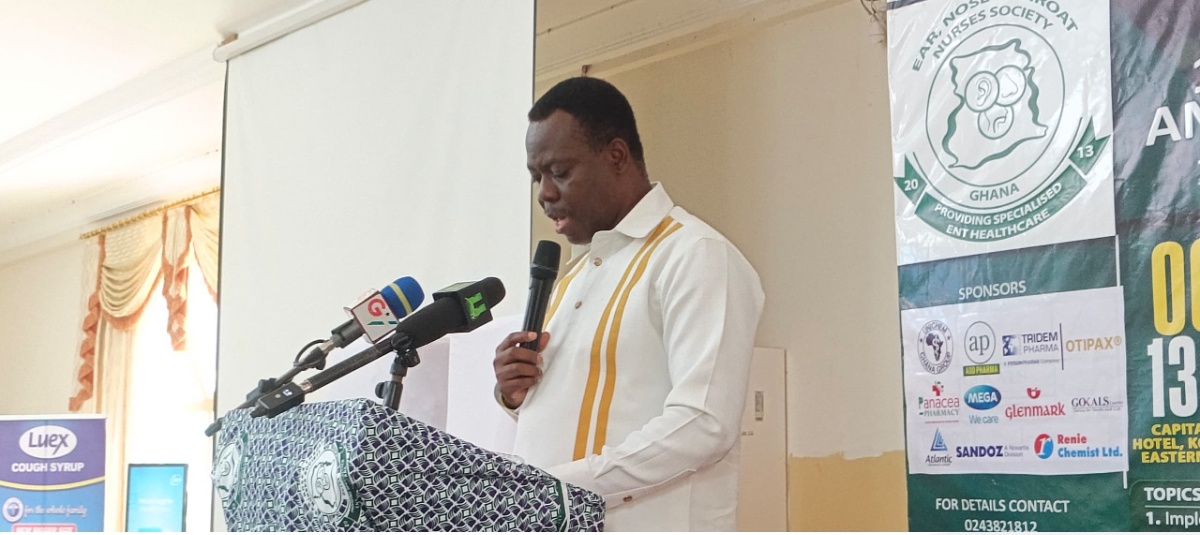
He said hearing loss could affect children’s education, adults’ livelihoods and people’s ability to participate fully in society.
“Many of these causes are preventable and many are treatable when found early,” Dr Ayisi Asiedu said.
Citing figures from the World Health Organization, he warned that the number of people living with some degree of hearing loss could rise to nearly 2.5 billion by 2050 if more effective measures were not taken.
He urged the public to take hearing care seriously and called for greater efforts to remove barriers that prevent people from accessing quality services.
A Paediatric Nurse Specialist at the New Juaben North Municipal Hospital, Elizabeth Tawiah, also called for early identification and treatment of hearing problems in children.
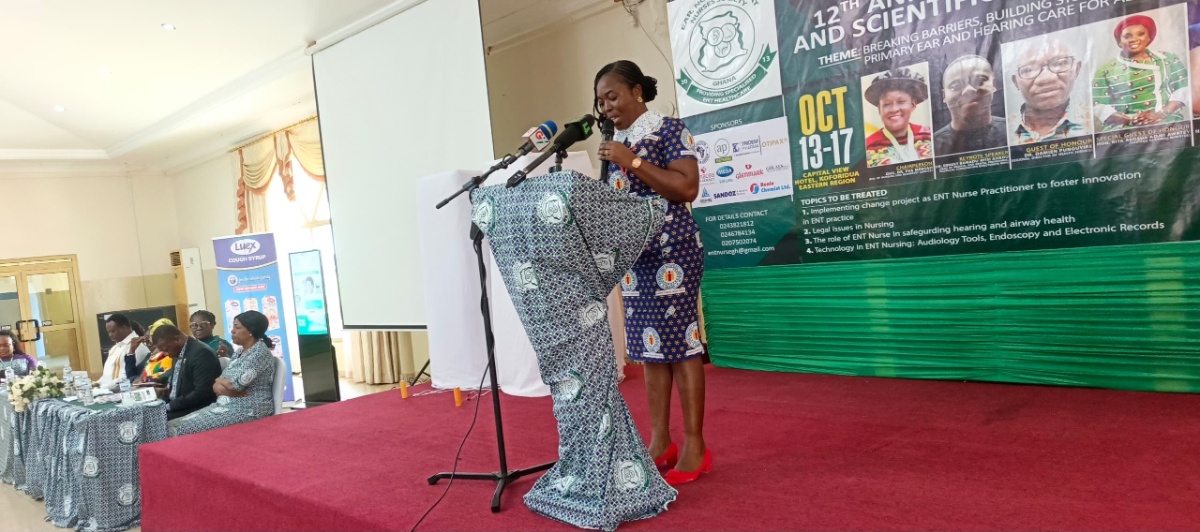
She said hearing difficulties that go undetected could affect children’s speech, language development, learning, social interaction and emotional well-being.
“For a child in a rural community, a hearing problem may remain undetected until that child begins to experience difficulty speaking, communicating, or learning at school,” she said.
Mrs Tawiah urged nurses, midwives, community health officers, parents, teachers and other health professionals to identify warning signs early and ensure children receive appropriate care.
She said improving access to ear and hearing services required stronger cooperation among health professionals and better access to services at the community level.
The conference brought together health professionals to discuss research, policy gaps and practical ways to improve primary ear and hearing care in Ghana.