News · Richard Boateng Opoku-Ofori
Energy Commission to introduce Energy PerformanceCertificates for buildings in Ghana
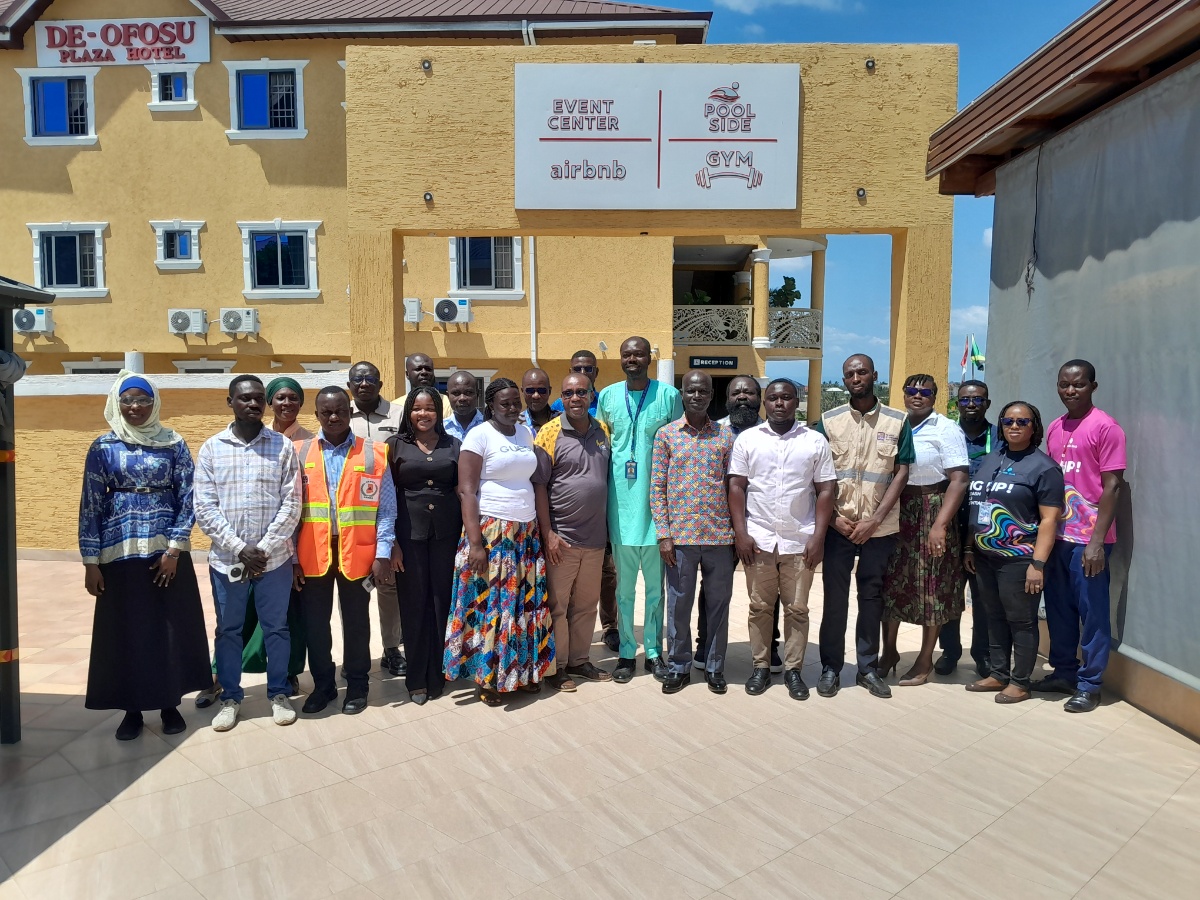
The Energy Commission of Ghana is developing regulations to introduce Energy Performance Certificates, EPCs, for buildings as part of efforts to reduce electricity consumption, lower energy bills and promote energy efficiency.
The certificates will rate buildings using stars based on their energy performance, with more stars indicating higher energy efficiency. The pilot phase is expected to begin with public buildings in 2028, subject to parliamentary approval.
Speaking at a stakeholder engagement in Koforidua, the Eastern Regional capital, the project lead and Senior Manager of the Energy Efficiency Unit at the Energy Commission, Engineer John Adjei, said the initiative seeks to extend the success of the Commission’s energy efficiency labelling scheme for electrical appliances to buildings.

He explained that the scheme had helped reduce the annual energy consumption of some appliances from between 1,200 and 1,400 kilowatt-hours to between 380 and 400 kilowatt-hours.
Eng. Adjei said the Commission wants to achieve similar results in the building sector by ensuring that structures are designed and built to consume less electricity.
“The aim of the project is to reduce the energy that buildings in Ghana consume. We want to make buildings more efficient so that they consume less energy, and that will make sure that we pay less when it comes to electricity bills,” he said.
The proposed regulations will cover residential, commercial, public and industrial buildings, with assessments at the design, construction and operational stages.
At the design stage, building plans will be assessed to ensure they meet energy efficiency requirements, including proper orientation, cross ventilation and leaving at least 30 per cent of the plot area uncovered to improve airflow.
Engineer Adjei said these measures would help make buildings more comfortable and reduce the need for air conditioning, thereby lowering electricity consumption.
He explained that the Commission would also inspect completed buildings to ensure that construction follows the approved plans. At the operational stage, buildings must have been occupied for at least two years, with electricity consumption records used to determine their energy performance and star ratings.
The initiative is expected to help building owners and tenants identify energy-efficient properties, encourage energy-saving improvements, create jobs, increase property values and support Ghana’s energy efficiency and climate change goals.

Engineer Adjei said the proposed regulations would include penalties for those who fail to comply, alongside incentives to encourage building owners to improve energy efficiency.
He said owners of energy-efficient buildings could benefit from lower property rates and faster processing of documents, while those who fail to comply could face penalties specified in the regulations.
A participant at the engagement, Professor Engineer Anim Ofosu of Koforidua Technical University, welcomed the initiative, saying it would help reduce energy waste and carbon emissions.

He urged stakeholders in the construction industry to support the initiative and make energy efficiency a priority when designing and building structures.
“Every builder, everybody who is going to the construction industry must embrace this concept that is coming. We should try to build what we call energy-efficient structures and facilities,” he said.
Professor Ofosu added that the initiative could create employment opportunities for young people, particularly in energy performance inspection and assessment. He said it would also give them opportunities to acquire new skills and learn about emerging technologies, supporting job creation and economic development.
The Energy Commission expects to complete stakeholder engagement by December 2026 before proceeding with its internal processes and presenting the proposed regulations to Parliament.
The Commission hopes to secure parliamentary approval to begin the pilot phase with public buildings in 2028. The stakeholder engagement is expected to continue in Sunyani on Friday, October 30, 2026.