News · Gloria Atiase
ECG Launches Spot Billing and Franchising Project to Boost Revenue Collection
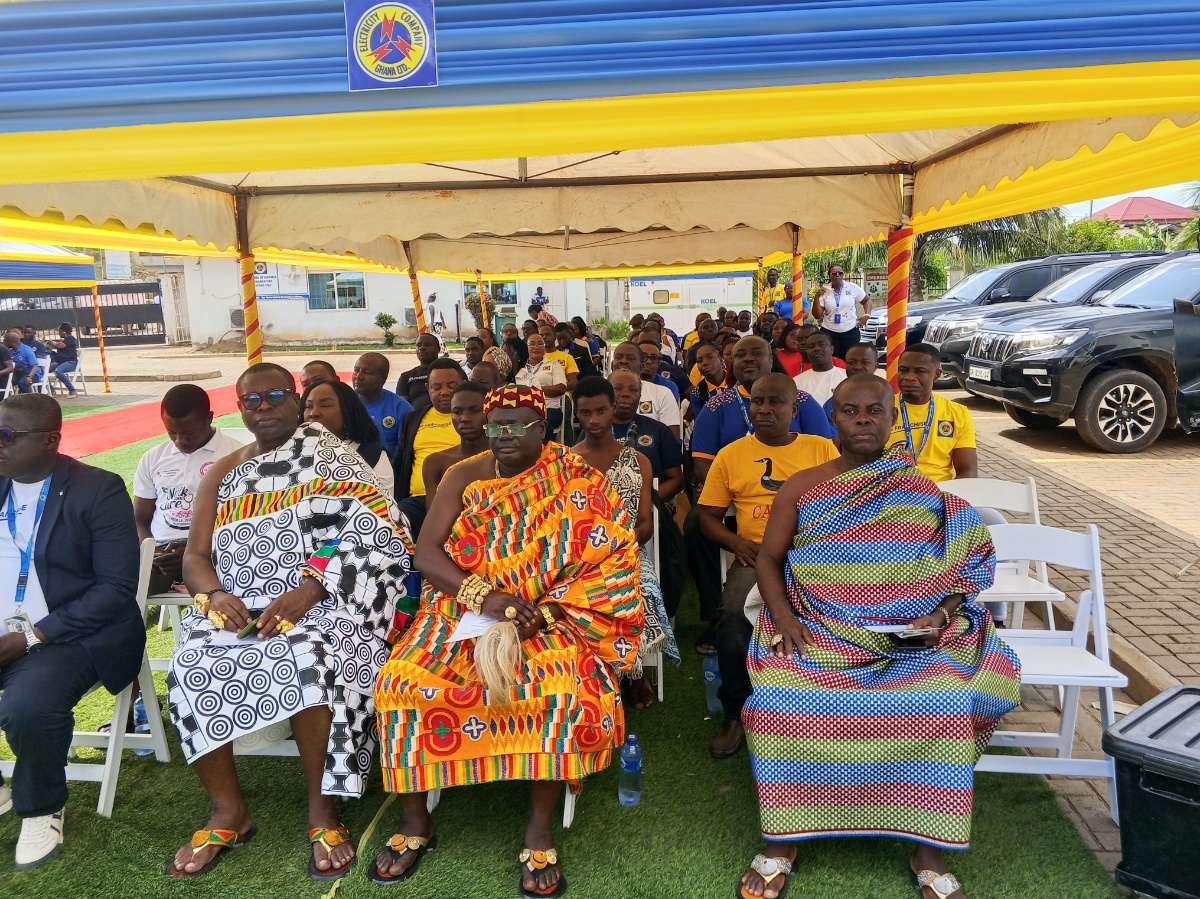
The Electricity Company of Ghana (ECG) has launched a Spot Billing and Franchising Project to improve billing accuracy, strengthen revenue collection and enhance customer service delivery.
The initiative, launched in Koforidua, the Eastern Regional capital, is expected to make ECG’s field operations more efficient, transparent and accountable while bringing its services closer to customers.
Speaking at the launch, ECG’s Managing Director, Ing. Julius Kwame Kpekpena, said the project was a response to growing customer demands for better service and the need for greater efficiency, accountability and profitability.
He explained that under the new arrangement, franchise contractors would take on broader responsibilities beyond meter reading to include bill delivery, monitoring prepayment meters, identifying and reporting faulty meters and illegal connections, supporting authorized disconnections and reconnections, and validating customer information.
The contractors are also expected to serve as a vital link between ECG and its customers, helping the company address field-related challenges that often affect service delivery and revenue collection.
Ing. Kpekpena noted that inaccurate or missed meter readings could result in incorrect bills, while unattended faulty meters could inconvenience customers and cause revenue losses for the company.
“A faulty meter that remains unattended is an inconvenience for the customer and revenue loss for ECG. An illegal connection places an unfair burden on customers who pay honestly for the electricity they consume,” he said.
He added that the initiative would help ECG detect faulty and unauthorised meters earlier, improve meter reading and billing, strengthen revenue collection and reduce commercial losses.
The project is also expected to provide management with a better basis for monitoring performance and holding contractors accountable for their responsibilities.
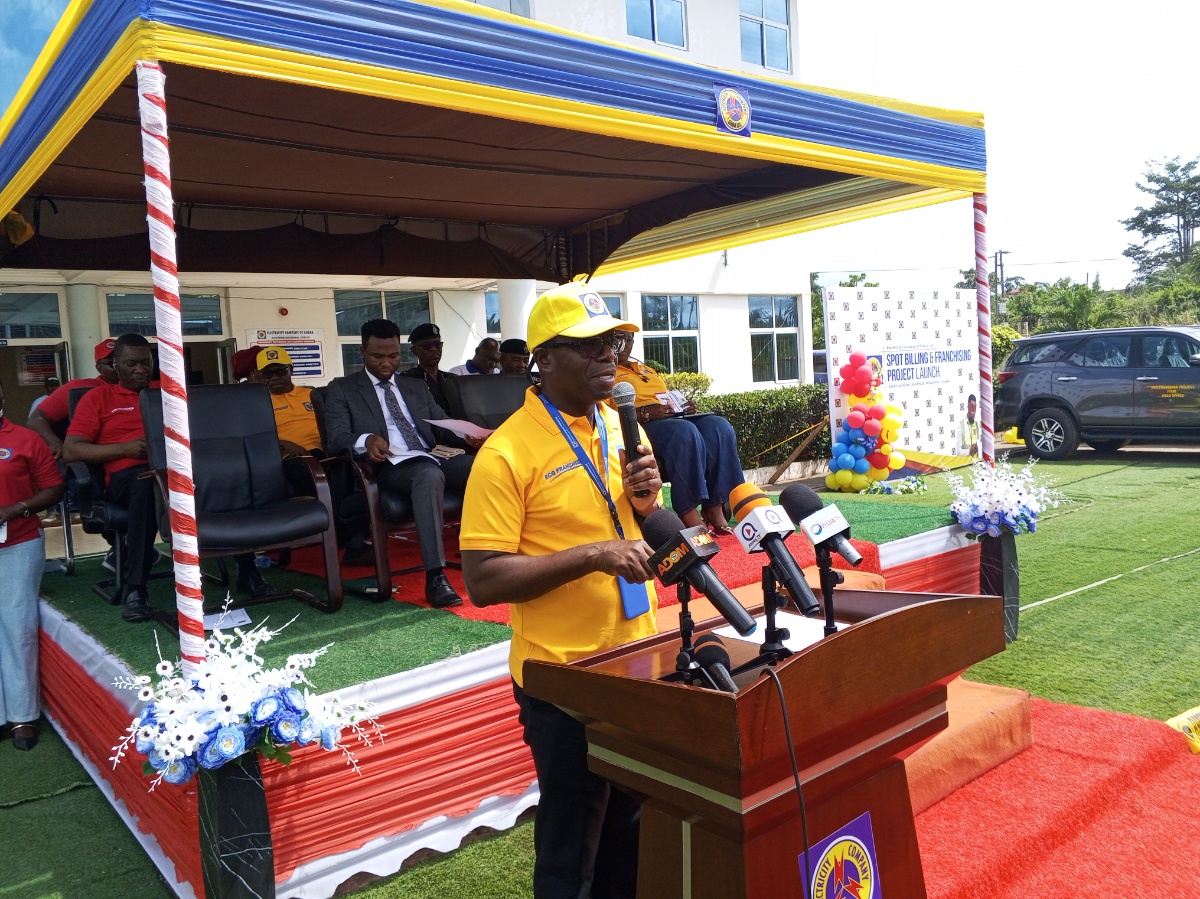
Giving an overview of the initiative, ECG’s Deputy Commercial Manager, Ebenezer Baiden, disclosed that 1,500 contractors had received specialised training to improve their engagement with customers and support the company’s commercial operations.
Their duties include reading meters, printing and delivering bills, checking for illegal connections, and assisting with customer debt management and payment collection.
Mr Baiden reaffirmed ECG’s commitment to supporting the contractors to ensure the successful implementation of the franchising initiative.

The Acting Deputy Executive Secretary of the Energy Commission of Ghana, Ing. Dr Julius Abayateye, said the project was a timely intervention to address revenue losses arising from electricity consumption that was not properly measured, billed or paid for.
He stressed that every unit of electricity generated came at a cost, adding that revenue shortfalls across the electricity value chain could limit the resources available for infrastructure maintenance, network expansion, improved service delivery and investments needed to meet Ghana’s growing electricity demand.
“When electricity is consumed, but not properly measured, billed, or paid for, the resulting revenue shortfall affects the entire electricity value chain,” he explained.
Ing. Dr Abayateye said the initiative represented a shift from traditional meter-reading arrangements to a broader, performance-based service delivery model designed to strengthen ECG’s commercial operations and improve accountability at the customer interface.
He emphasised that the project’s ultimate success would depend on sustained improvements in commercial performance, customer satisfaction and service delivery.
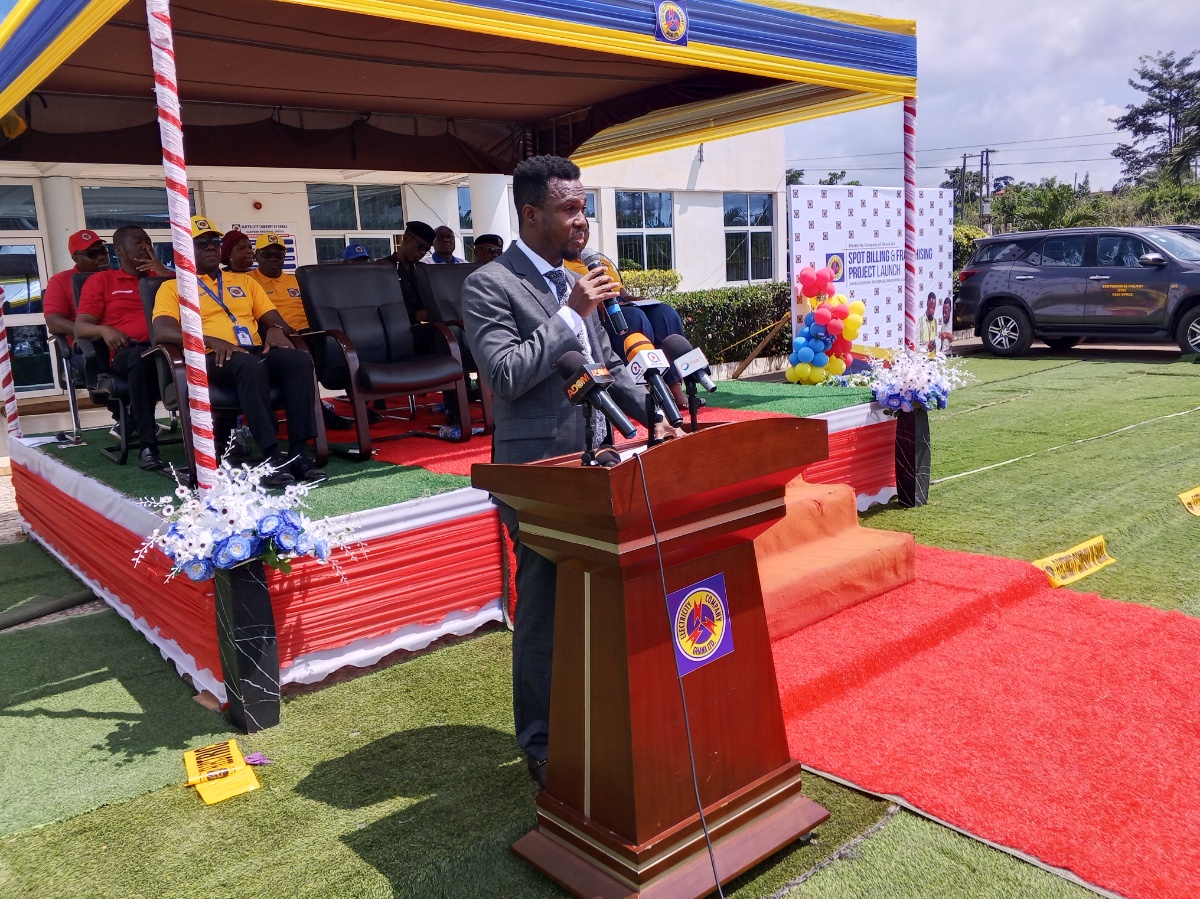
As part of measures to support effective implementation, ECG presented two Toyota Land Cruisers and 10 motorbikes to the contractors to facilitate their field operations.
The project was launched under the theme, “Safeguarding Revenue, Powering Ghana.”