News · Richard Boateng Opoku-Ofori
Eastern Regional House of Chiefs pledges to intensify fight against child marriage
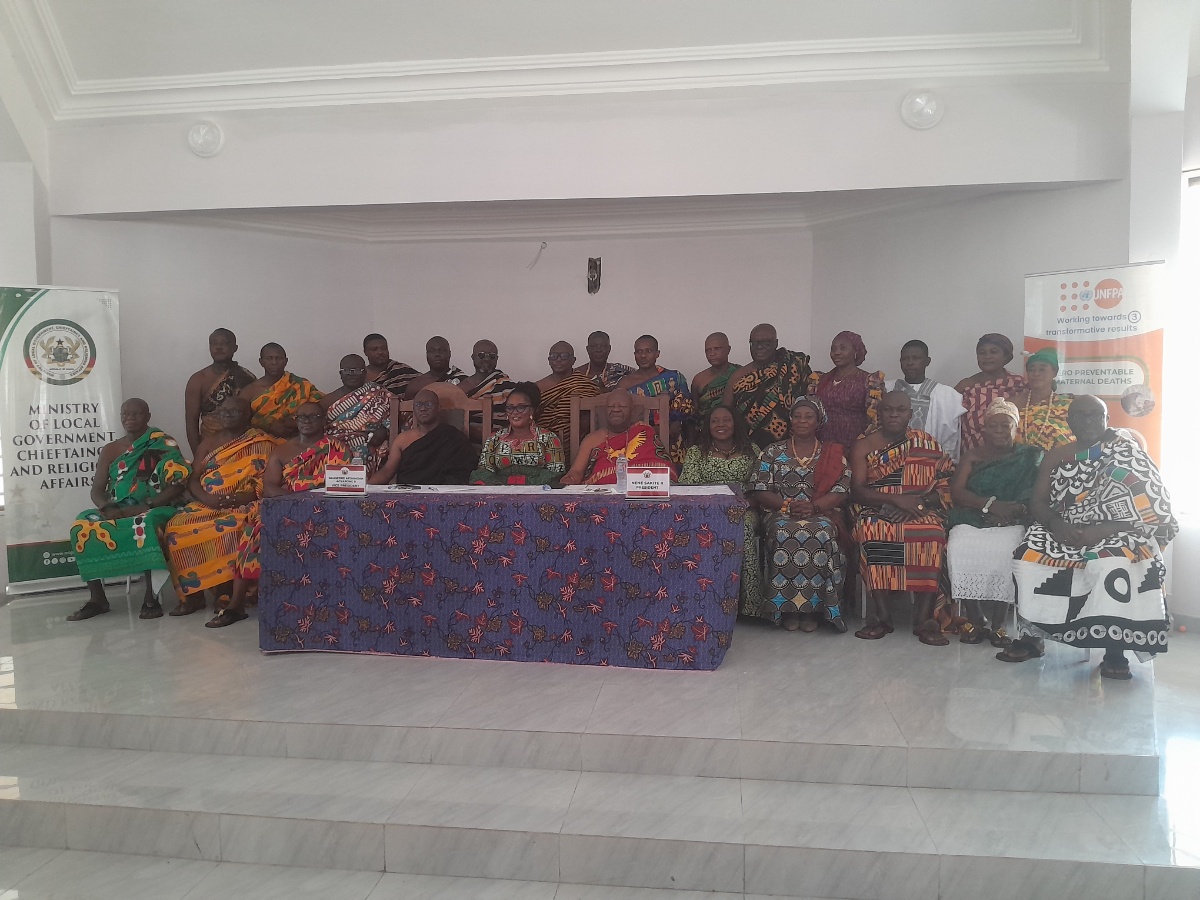
Traditional leaders in the Eastern Region have been has pledged to strengthen their efforts to end child marriage and teenage pregnancy, as government officials call for greater community involvement in protecting young girls.
The Deputy Minister for Local Government, Chieftaincy and Religious Affairs, Rita Naa Adoley Sowah, made the appeal at a special meeting of the Eastern Regional House of Chiefs, where she commended three paramountcies for publicly committing to end the practices in their traditional areas.
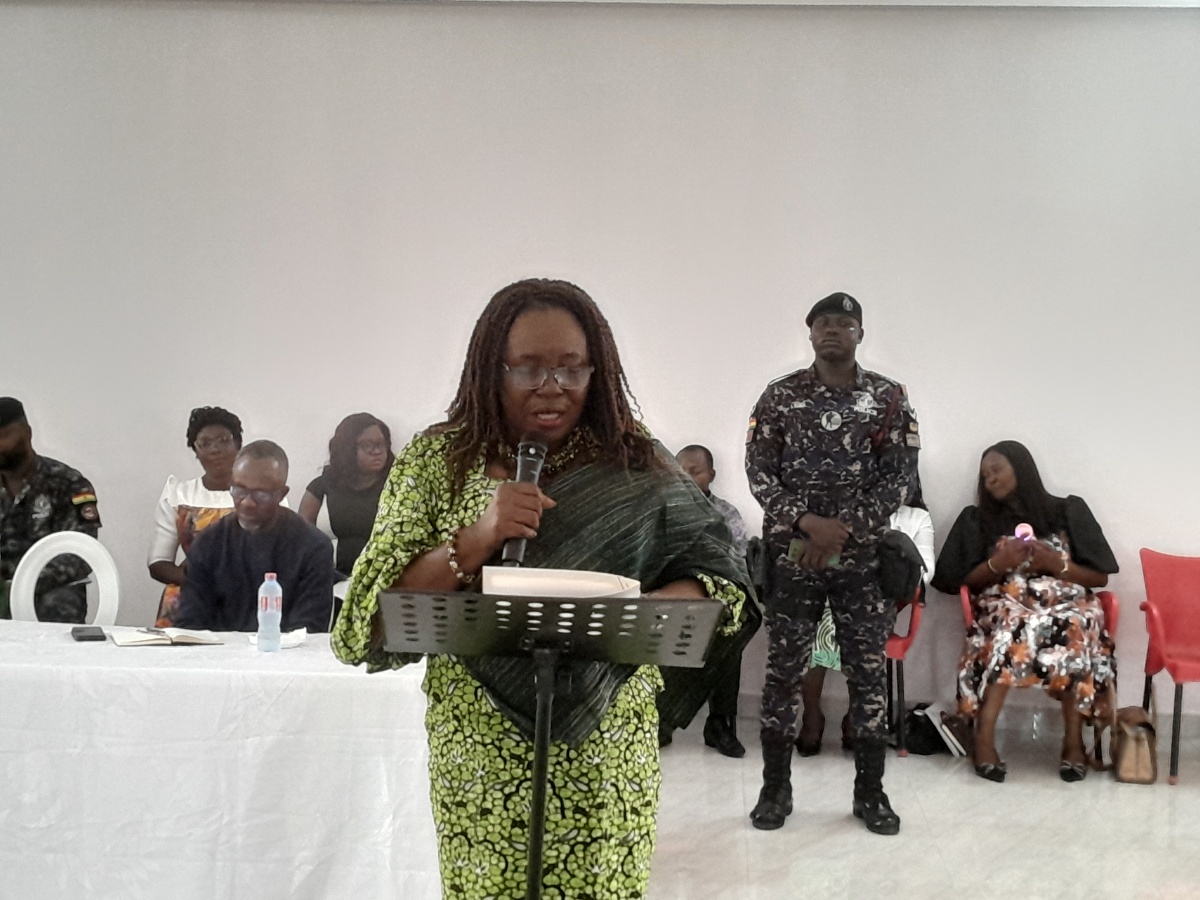
She urged the remaining paramountcies to make similar commitments, expressing hope that the Eastern Region could become the first in Ghana where all paramountcies publicly declare their support for ending child marriage.
“Child marriage remains one of the most significant barriers to the development, education, health and empowerment of our children, especially our young girls,” she said.
According to the Deputy Minister, child marriage often interrupts girls’ education, limits their opportunities and prevents them from fully participating in national development.
She stressed that protecting children requires a collective effort involving traditional authorities, families, religious institutions, communities and government.
“Government remains committed to supporting traditional authorities and national and regional houses of chiefs to advance this important agenda through collaboration, advocacy, community education, and enforcement of existing laws that protect children and vulnerable persons,” she added.
The President of the Eastern Regional House of Chiefs and Konor of Manya Krobo TraditionalArea, Nene Sakite, described child marriage and teenage pregnancy as unacceptable practices that must be addressed urgently.
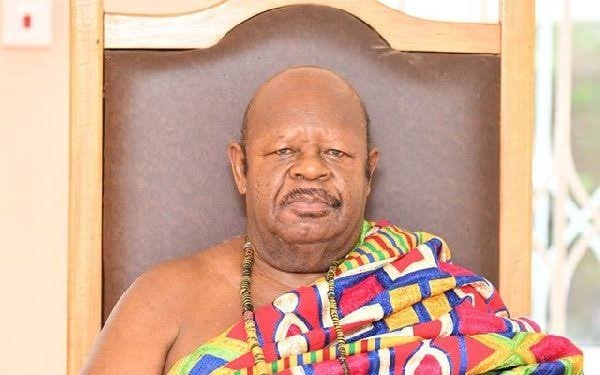
He called on traditional leaders to develop practical solutions to protect children, warning that failure to address harmful practices could undermine their legacy.
“If we sit down here unconcerned about outdated practices, then our legacy as fathers will surely be tainted,” he said.
The Omanhene of New Juaben Traditional Area, Daasebre Kwaku Boateng, said commitments to ending child marriage must be backed by sustained community education, adequate resources and effective monitoring.
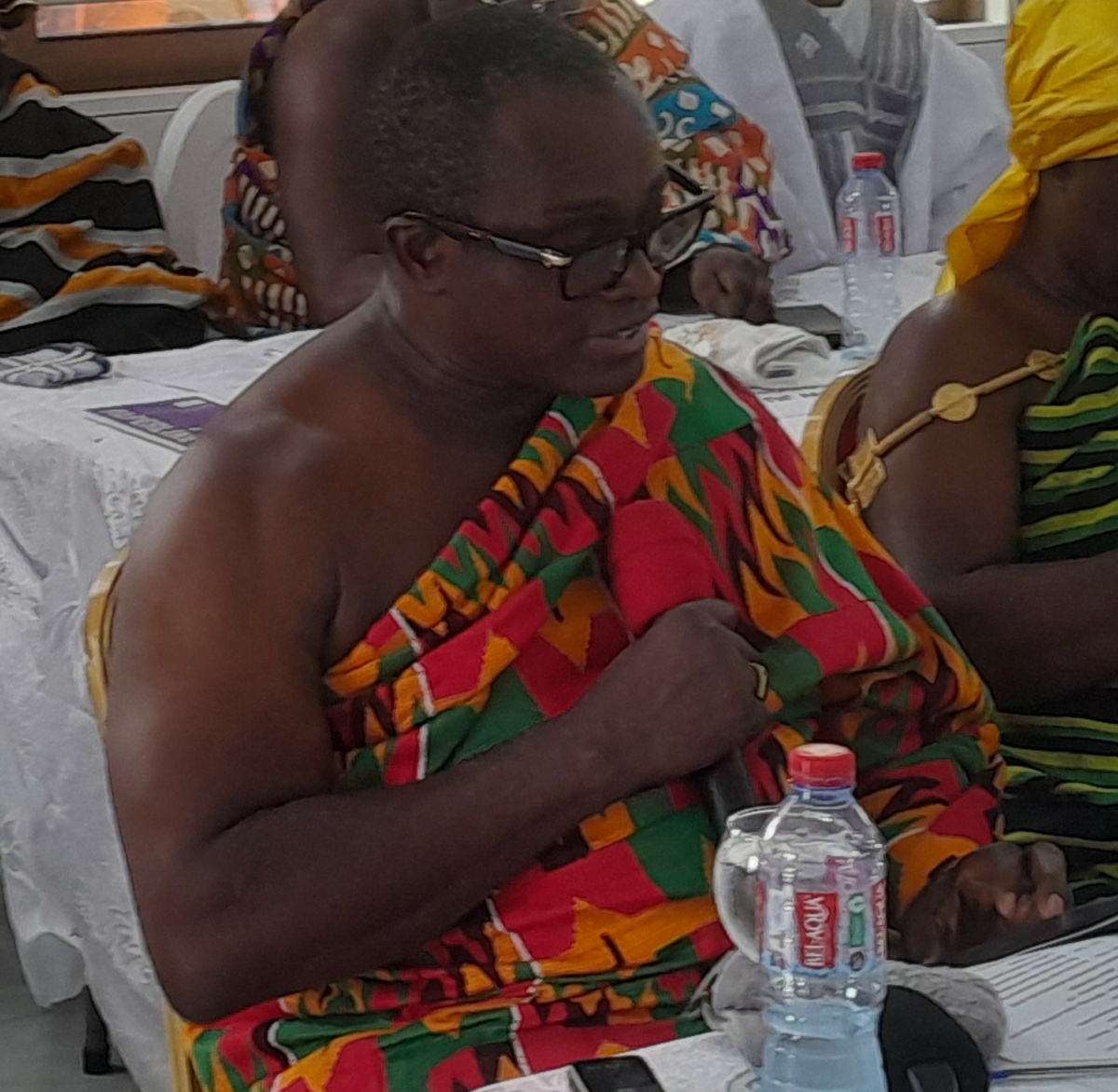
He identified poverty, deeply rooted social attitudes and inadequate funding for community sensitisation as some of the challenges facing the campaign.
“A declaration alone cannot solve these problems. It must be supported by continuous education, practical intervention, adequate resources and consistent follow-up,” he said.
Daasebre Kweku Boateng called for stronger cooperation among chiefs, parents, teachers, religious leaders and development partners. He also urged stakeholders to support girls affected by teenage pregnancy to continue or return to school without stigma.
The Eastern Regional Minister, Rita Akosua Adjei-Awatey, also called for stronger collaboration among traditional authorities, government and development partners to address child marriage, teenage pregnancy and sexual and gender-based violence.
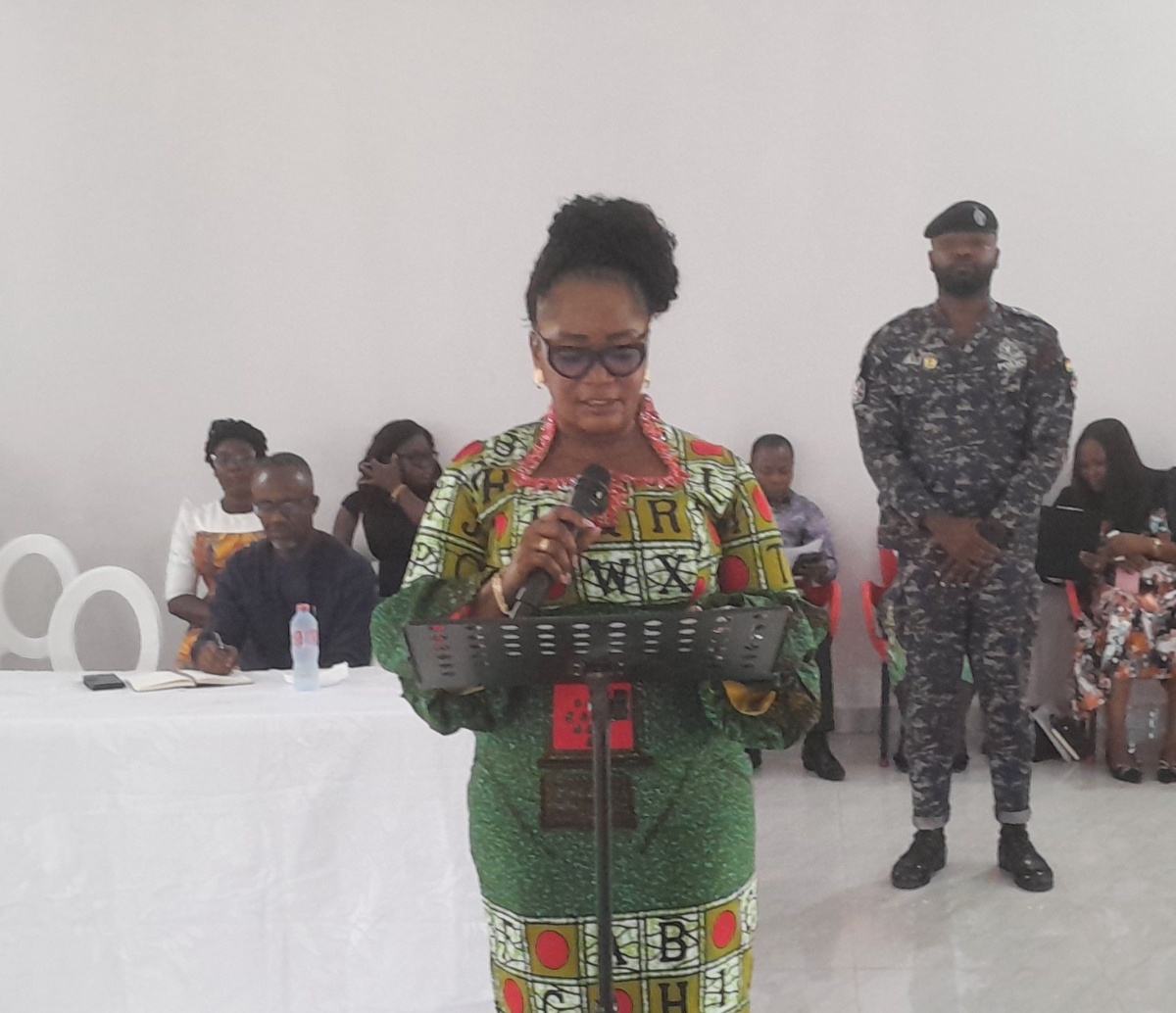
She acknowledged the support of the United Nations Population Fund, UNFPA, in promoting gender equality and protecting vulnerable groups in the region.
Data from the Ghana Statistical Service for 2021 indicate that child marriage among children aged 12 to 17 in the Eastern Region stood at 1.6 per cent. Afram Plains North, Afram Plains South, Kwahu West, Akyemansa and Kwaebibirem were identified in the information provided for the report as districts with high rates of child marriage.
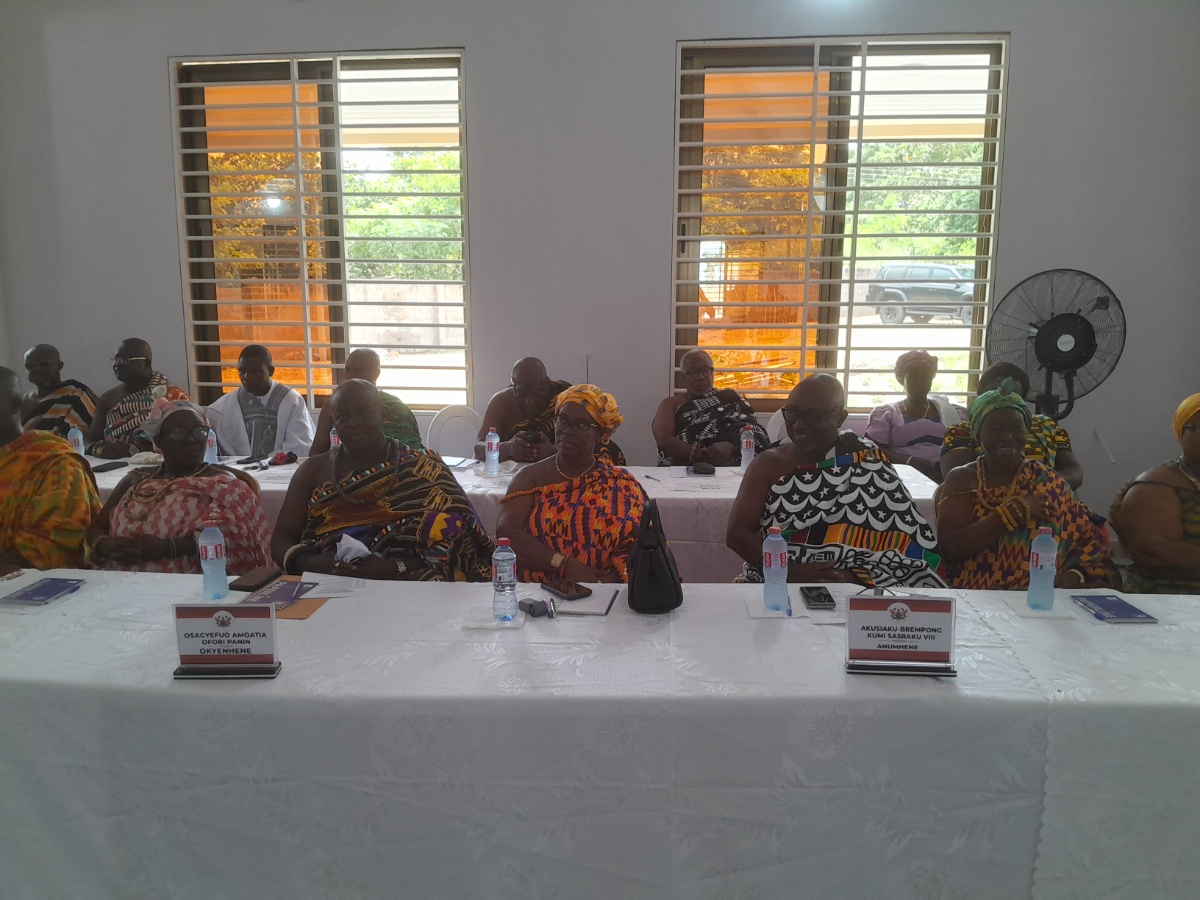
The stakeholders expressed hope that stronger commitments from traditional authorities, supported by community education and practical interventions, would help end child marriage and teenage pregnancy and protect the future of girls in the Eastern Region.