Health · Gloria Atiase
Eastern Region records 4,298 adolescent pregnancies in first half of 2026
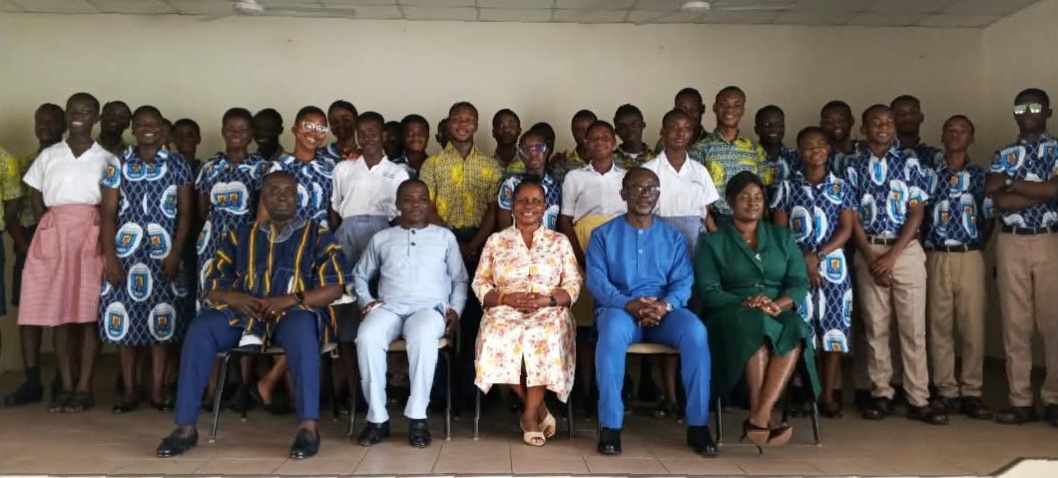
The Eastern Region recorded 4,298 adolescent pregnancies in the first half of 2026, prompting renewed calls for coordinated action to address teenage pregnancy and its impact on the health, education and future prospects of young people.
The figure, which represents 10.9% of the adolescent population, was disclosed by the Deputy Eastern Regional Director of Public Health, Dr. Moses Barima Djimatey, at a sensitisation programme in Koforidua.
The programme, organised by the Eastern Regional Office of the National Population Council (NPC) brought together selected Senior High School students from the New Juaben South and New Juaben North Municipalities.
Speaking on the “Reproductive Health Situation among Young People in the Eastern Region,” Dr. Djimatey described the statistics as worrying and urged stakeholders to intensify efforts to reverse the trend.
He said many teenagers lack jobs and employable skills and are often unprepared for the responsibilities that come with parenthood.
According to Dr. Djimatey, teenage pregnancy can expose young mothers and their children to a range of challenges, including maternal deaths, malnutrition, school dropouts and other social problems.
He identified broken homes, social media and other social factors as some of the issues contributing to adolescent pregnancies.
Dr. Djimatey called for a collective response involving parents, schools, health professionals, communities and other stakeholders to address adolescent pregnancy.
Two students who participated in the programme, Louis Dogbe of Pope John Senior High School and Minor Seminary (POJOSS) and Persis Asantewaa Otchere of New Juaben Senior High School (NJUASCO), welcomed the initiative and said the engagement provided them with useful information on reproductive health, teenage pregnancy and the importance of making informed decisions about their future.
The Eastern Regional Population Officer, Mr. Kwasi Owusu Obeng, said the decision to target young people was deliberate because they need the right information to make informed choices about their health and future.
He said young people constitute about 18% of the population of the Eastern Region, making it necessary to engage them on reproductive health and the challenges associated with sexual activity.
Representatives of the National Apprenticeship Programme (NAP) and the National Youth Authority (NYA) also used the programme to introduce students to opportunities available through their respective institutions.
The students were encouraged to take advantage of skills-training opportunities to complement their formal education and improve their prospects for employment.
The programme was held under the theme, “Investing in Ghana's Future through Healthy, Skilled and Empowered Young People.”