Education · Godfred Anku Kaali
CEA trains 35 youth leaders in reproductive health education
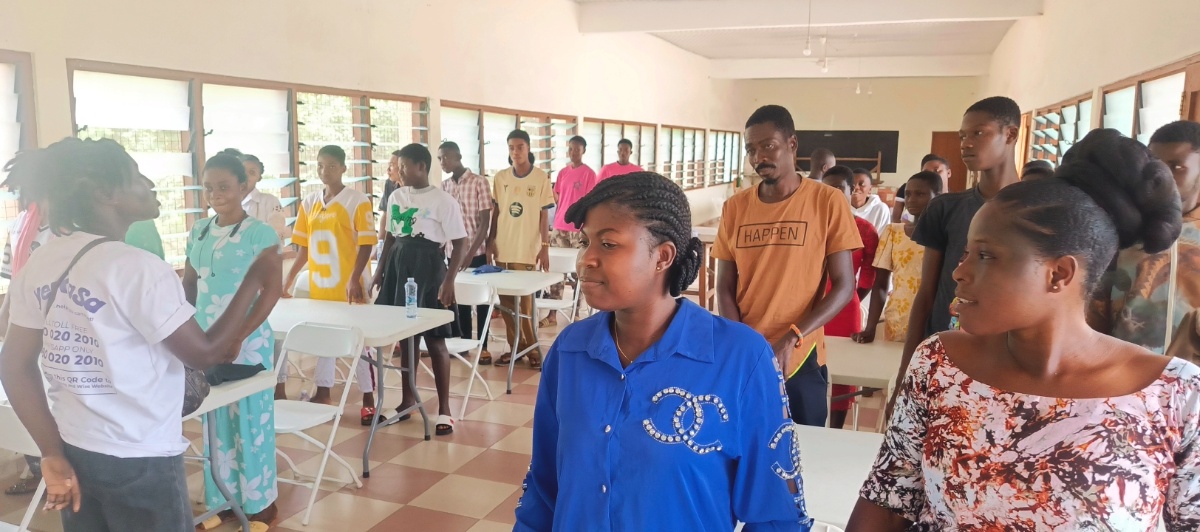
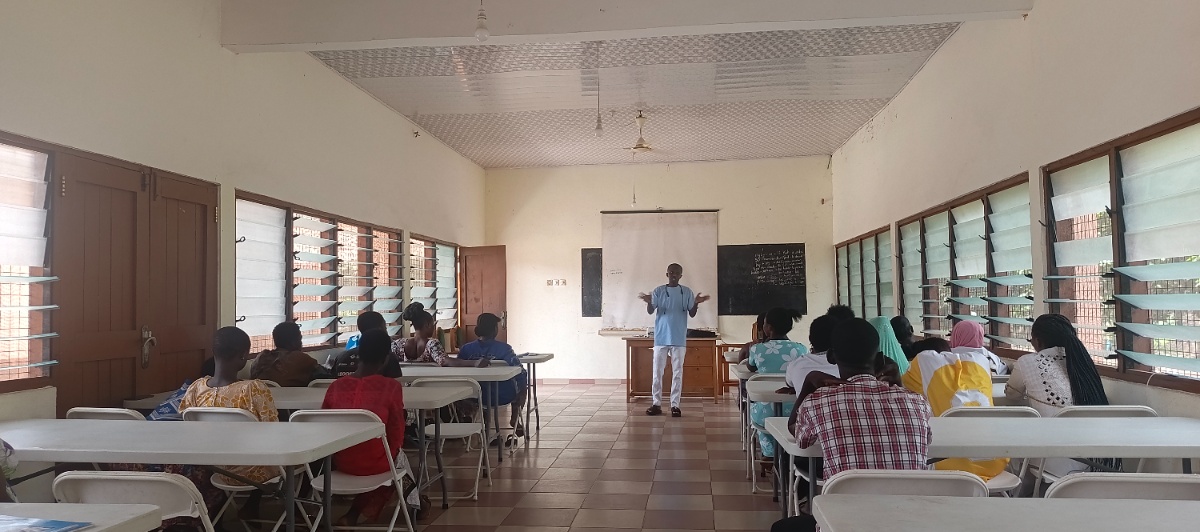
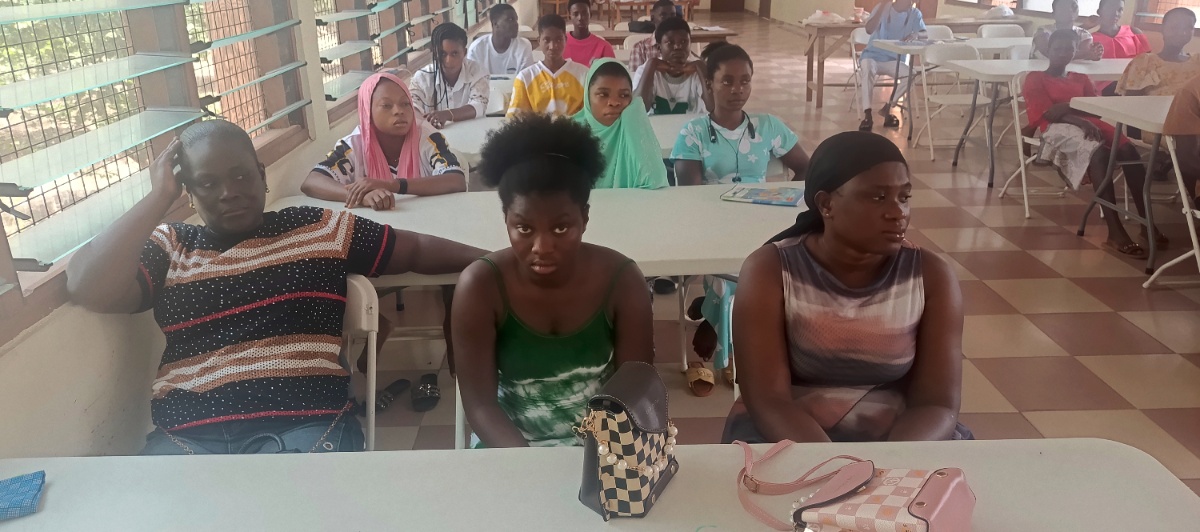
The Complementary Education Agency (CEA) in the Eastern Region has begun a two-day capacity-building programme for 35 youth leaders from the Upper Manya Krobo District to strengthen adolescent reproductive health education in their communities.
The training, being held in Koforidua, the regional capital, seeks to equip participants with accurate information and practical skills to educate young people on reproductive health, promote responsible health practices and support informed decision-making.
The initiative follows concerns about teenage pregnancy and sexually transmitted infections (STIs) in the Upper Manya Krobo District, prompting the Agency to intensify education on prevention and responsible reproductive health practices.
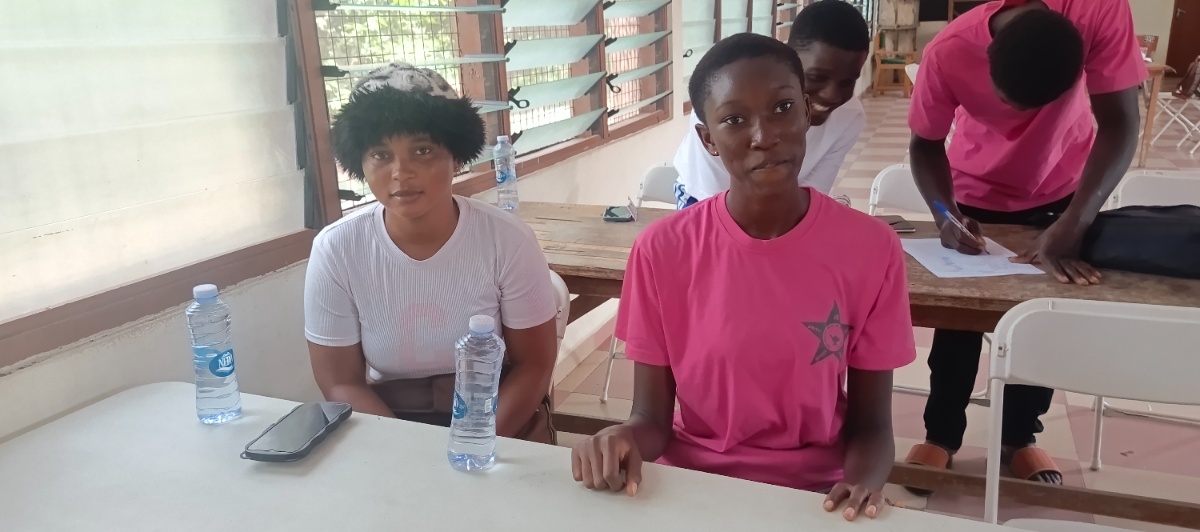
Speaking in an interview with GBC News, the Acting Eastern Regional Director of the CEA, Edwin Joseph Kponor, said the workshop is designed to help participants make informed decisions about relationships and understand how to prevent and manage STIs.
“After this workshop, we want participants to be able to make informed decisions on when to go into a relationship, whether they should even go into a relationship, and how to deal with sexually transmitted infections,” he said.
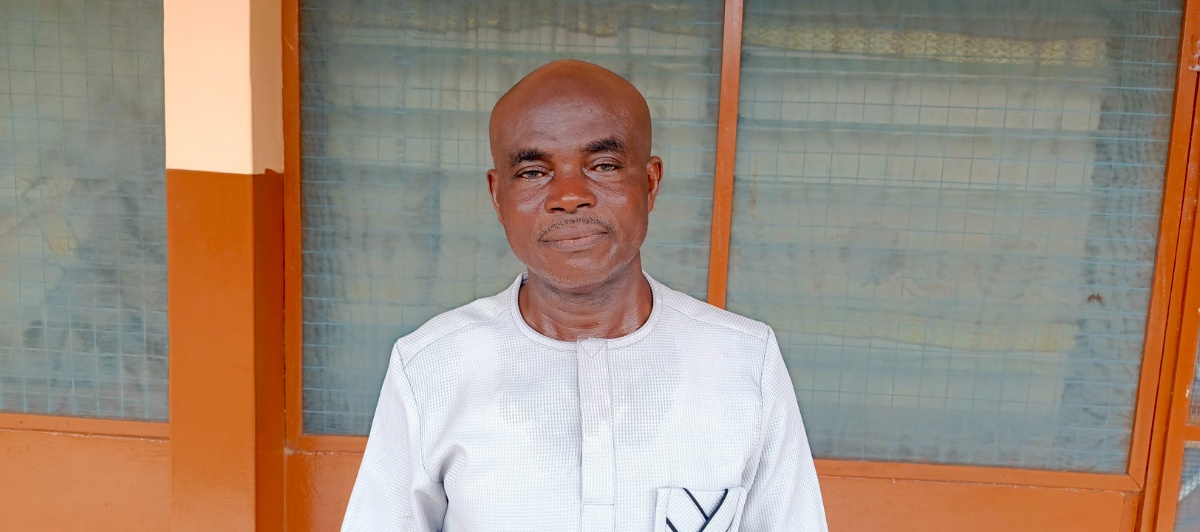
Mr. Kponor said the Agency had engaged parents and community leaders to secure broader support for reproductive health education. He added that a club would be established to monitor participants' activities and assess how effectively they educate their peers in their respective communities.
He disclosed that the CEA plans to extend the training to the Fanteakwa South and Fanteakwa North districts as part of efforts to expand reproductive health education among young people in the Eastern Region.
A Sexual and Reproductive Health and Rights (SRHR) advocate with the Planned Parenthood Association of Ghana (PPAG), Patience Entsie, who facilitated sessions during the training, said misconceptions that reproductive health education focuses solely on sexual intercourse continues to create resistance among some parents.
“Any time you mention reproductive health, people tend to think that it’s all about sex. So there’s always an issue. I don’t want you to educate my child on sex, but reproductive health is really broad. It’s not just sex,” she said.
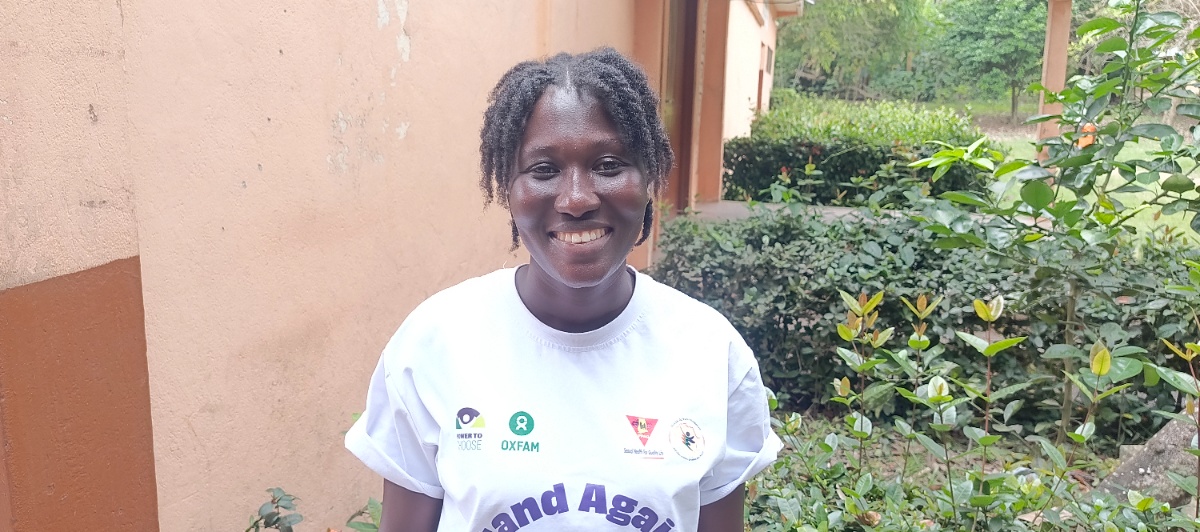
Ms. Entsie explained that reproductive health education also helps young people understand their bodies, develop bodily autonomy and make informed choices about their health and well-being.
She added that the education empowers young people to establish personal boundaries, resist unwanted pressure and understand the risks associated with early sexual activity, including teenage pregnancy and sexually transmitted infections.
The first day of the training featured discussions on various aspects of reproductive health, including menstruation and personal hygiene. Participants also engaged in role-play activities and question-and-answer sessions to strengthen their understanding of the topics.