Science and Technology · Mohammed Zunurene
AI could unlock US$30bn for Sub-Saharan Africa by 2030 — Digital Mawuli
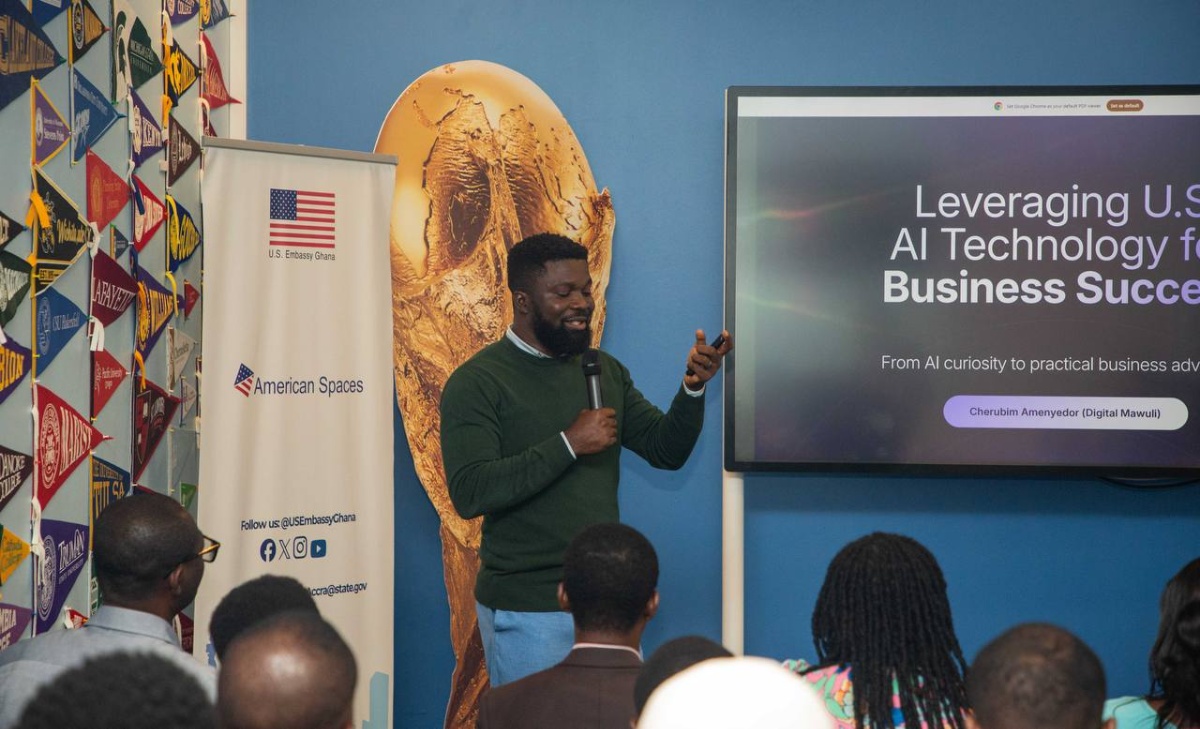
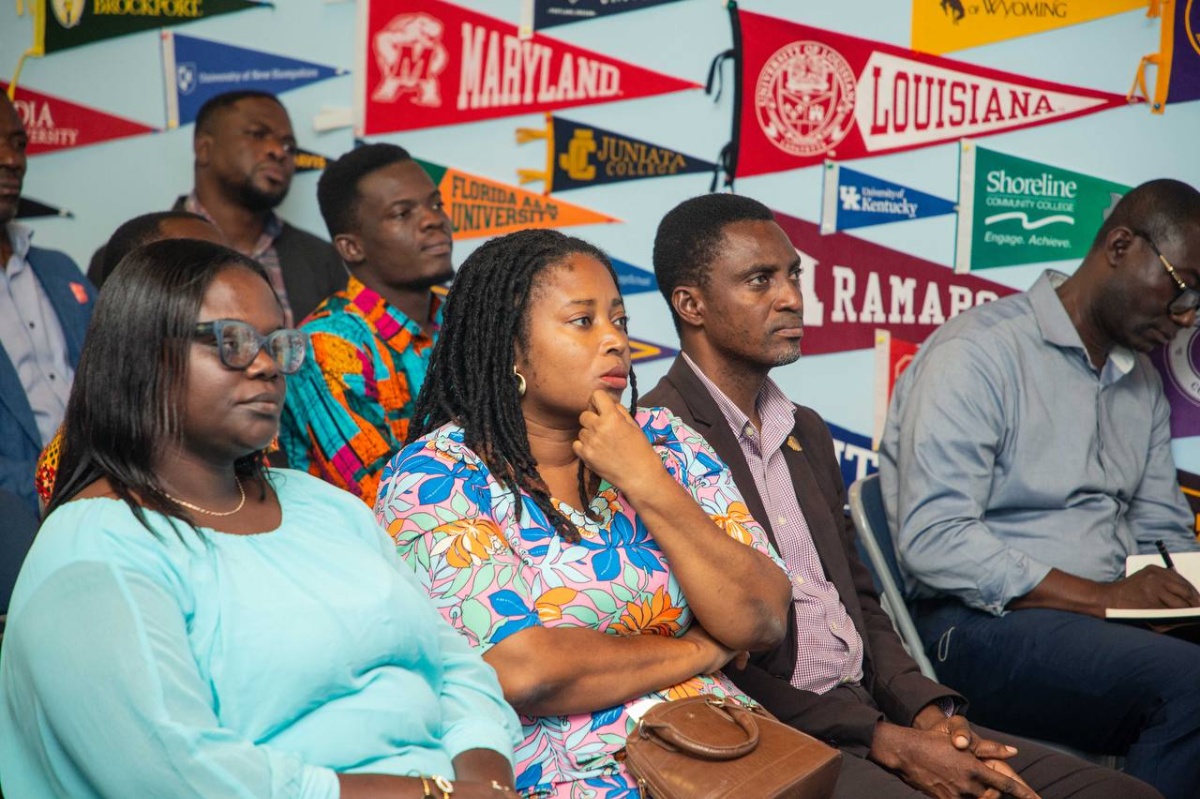
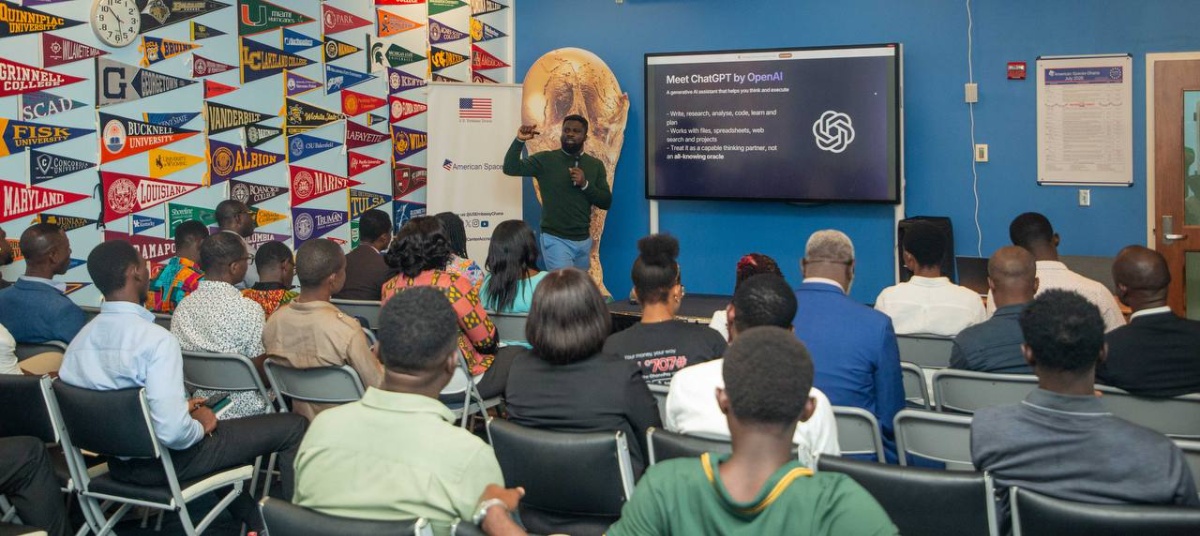
ACCRA, Ghana — Ghanaian digital transformation expert Cherubim Mawuli, popularly known as Digital Mawuli, has urged Ghanaian entrepreneurs, professionals, educators and policymakers to embrace artificial intelligence (AI) as a critical tool for economic transformation and productivity. He made the call at the second edition of the U.S. Embassy in Accra’s Alumni Speaker Series, where he spoke on the theme: “Leveraging U.S. AI Technologies for Business Success: An Exchange Alumni’s Perspective.” Mawuli said AI should not be viewed merely through popular applications such as chatbots and generative AI models, but as a broader ecosystem involving energy, semiconductor chips, infrastructure, models and applications. He urged Ghana to develop a more comprehensive approach to AI by paying attention to the governance of AI technologies and the infrastructure required to support them. According to him, a report by Google projects that AI could contribute up to US$30 billion to the economy of Sub-Saharan Africa by 2030, presenting a major opportunity for countries and businesses that position themselves strategically. “The question is: how much of the US$30 billion do you want to take?” Mawuli challenged participants. He, however, cautioned that AI would not only create economic opportunities but could also displace some existing jobs, making reskilling and retooling essential for professionals who want to remain relevant. AI and the future of work Mawuli encouraged professionals to learn how to integrate AI into the software and tools they already use rather than treating AI as a separate technology. Using architects as an example, he said professionals should explore how AI tools and technologies such as Model Context Protocols (MCPs) can be integrated into applications used in architecture, design and other professional fields. He said such integration could significantly increase productivity by enabling software to work alongside humans and AI systems. Mawuli also demonstrated the importance of effective prompting, taking participants from basic prompting techniques to more advanced approaches for obtaining useful and relevant results from AI systems. He highlighted ChatGPT by OpenAI and Google Gemini among the tools discussed during the session, while encouraging participants to understand which AI tool is most appropriate for a particular task and how to use AI efficiently to avoid unnecessary costs. Education must prepare children for an AI-first world On policy, Mawuli identified education as a critical starting point for Ghana’s AI transformation. He argued that Ghana’s education system must move beyond an approach that places excessive emphasis on memorising knowledge and instead prepare students to think critically, solve problems and work effectively in an AI-driven world. “We should be preparing our children for a world that will be AI-first,” he said, stressing the need to equip Ghanaian children to compete on an equal footing with their peers globally. Call for stronger AI literacy among journalists Mawuli also warned of the growing threat of misinformation, disinformation and malinformation, particularly as AI makes it easier and faster to create and distribute convincing but false content. He urged journalists to acquire stronger digital and AI literacy skills to enable them to verify information and detect manipulated images, videos and other forms of synthetic content. According to him, the traditional flow of information has changed, with social media increasingly becoming a source of information for mainstream media, rather than mainstream media setting the agenda alone. He therefore called on media organisations to invest in appropriate verification and AI-detection tools, as well as training for journalists. Mawuli further encouraged journalists to see media literacy as a responsibility to society, particularly because many members of the public may lack the technical knowledge required to identify AI-generated or manipulated content. He cited an AI-for-journalists training organised by the U.S. Embassy in January 2025 as an example of initiatives that can help media practitioners build the capacity required to confront emerging challenges in the digital information environment. Responsible use of AI While encouraging greater adoption of AI, Mawuli cautioned users against blindly trusting AI-generated information. He stressed the importance of responsible AI use, verification and critical thinking, noting that AI should be used to enhance human ideas, creativity, problem-solving and productivity rather than replace human judgement. He concluded by urging Ghanaian businesses and professionals to recognise that the transition to an AI-driven economy is already underway. “Those who recognise this opportunity and the shift early will be those who make the most from the AI era,” he said.